What Is Hospice Care at Home in Hampton Roads? What Families Should Know
June 7, 2026
Does Medicare Cover Hospice Care at Home? What Hampton Roads Families Need to Know
June 15, 2026Key Points:
- Hospice vs palliative care differ mainly in timing and treatment goals.
- Palliative care can begin earlier in a serious illness alongside treatment.
- Hospice usually starts when comfort becomes the focus, often at home, after curative treatment is no longer the goal.
Serious illness leads to many tough conversations in a short amount of time. Many people hear hospice vs palliative care and assume they are the same. Both focus on comfort and support, but they are used at different times. One starts much earlier, while the other usually begins when treatment is no longer aimed at curing the illness.
That difference shapes daily life, medical choices, and the kind of hospice and palliative care at home a person receives. Understanding the timing and goals can make the next step feel less confusing.

Hospice Vs Palliative Care: What Changes From One To The Other?
Palliative care can begin early in a serious illness. A person can still receive treatment meant to control or fight the illness at the same time. Hospice is a type of palliative care usually chosen when care moves fully to comfort near the end of life.
A simple way to compare them:
- When Care Begins: Palliative care can start at diagnosis. Hospice usually begins later.
- Treatment Goals: Palliative care happens along with treatment. Hospice focuses on comfort rather than a cure.
- Decision-Making: Both involve the patient and family, but hospice focuses more on quality of life and day-to-day comfort.
- Care Setting: Both happen in different places, including the home, depending on available services.
What Palliative Care Can Look Like Earlier In A Serious Illness
Palliative care is not just for the last days of life. It can begin when someone is first diagnosed with a serious illness to help them live as well as possible. This support includes help with pain, breathing changes, nausea, tiredness, stress, and hard family conversations.
Palliative care can happen in:
- Hospitals
- Clinics
- Nursing Homes
- A Person’s Home
For people looking into palliative care services in Hampton Roads VA, statewide workforce access may still be limited. CAPC’s 2025 Virginia report lists at least 245 certified prescribing palliative care providers in Virginia, equal to at least 2.8 per 100,000 residents
Difference Between Hospice And Palliative Care In Daily Life
The difference often shows up in daily routines. Palliative care helps someone feel better while doctor visits, hospital care, or treatments continue. Hospice usually means the care plan has changed, and comfort at home is the main focus.
When Hospice May Be The Right Conversation
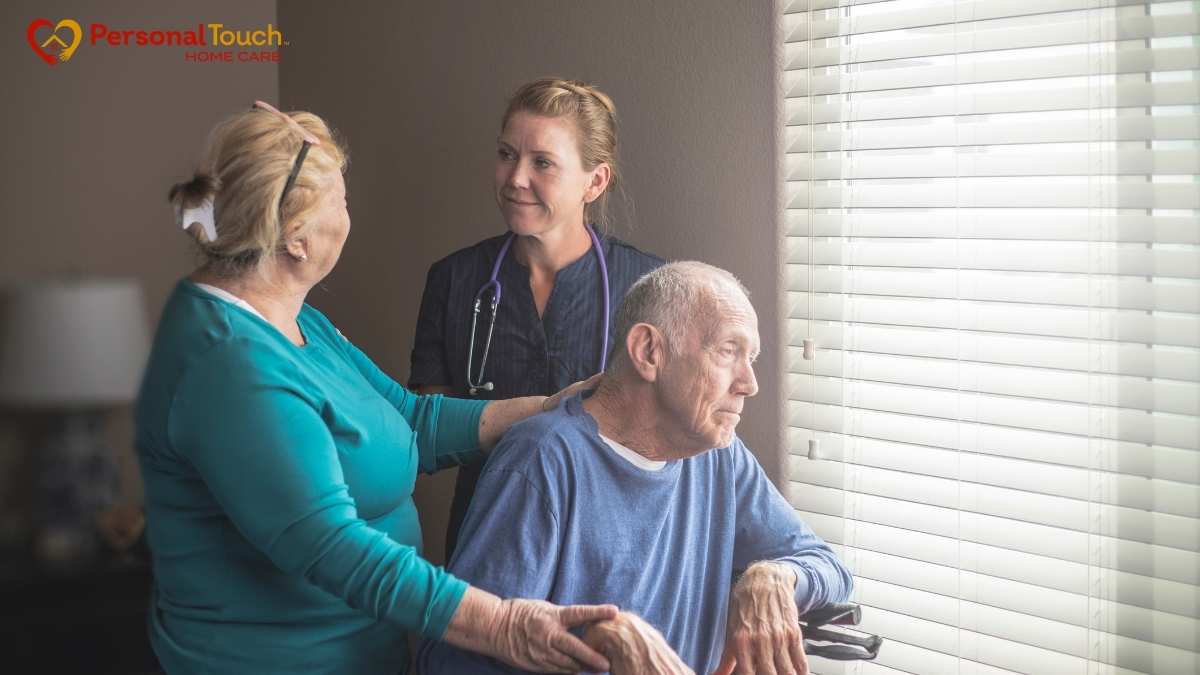
Hospice may be the right conversation when curative treatment is no longer the goal or is no longer preferred, and comfort becomes the main focus. This change does not mean anyone is giving up. The care plan now centers on pain relief, symptom control, and medical social work support for the person and family.
Under Medicare, hospice usually requires the hospice doctor and the person’s regular doctor, if they have one, to certify that the person is terminally ill and expected to live six months or less if the illness runs its normal course. A person also chooses comfort care instead of Medicare-covered treatment meant to cure the terminal illness.
Hospice is common, even though many families hear about it late. In 2024, more than 1.8 million Medicare beneficiaries, including more than half of decedents, received hospice services. The share of Medicare decedents using hospice was 52.9%, and the median length of stay was 19 days. For many families, comfort-focused hospice care in Virginia becomes part of the conversation when hospital trips become harder.
What Support Families May Receive At Home
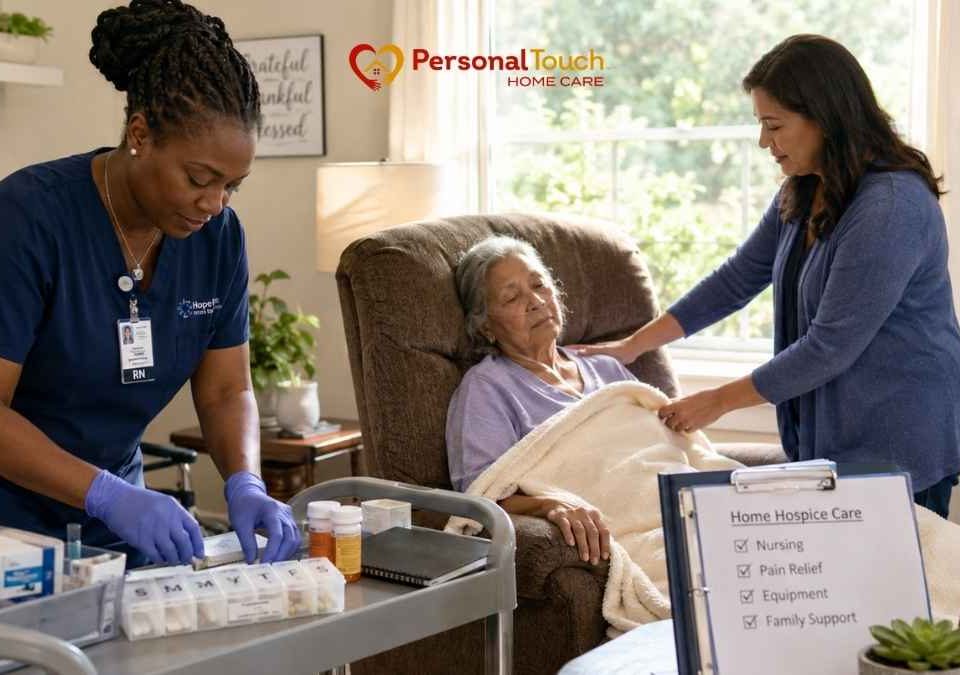
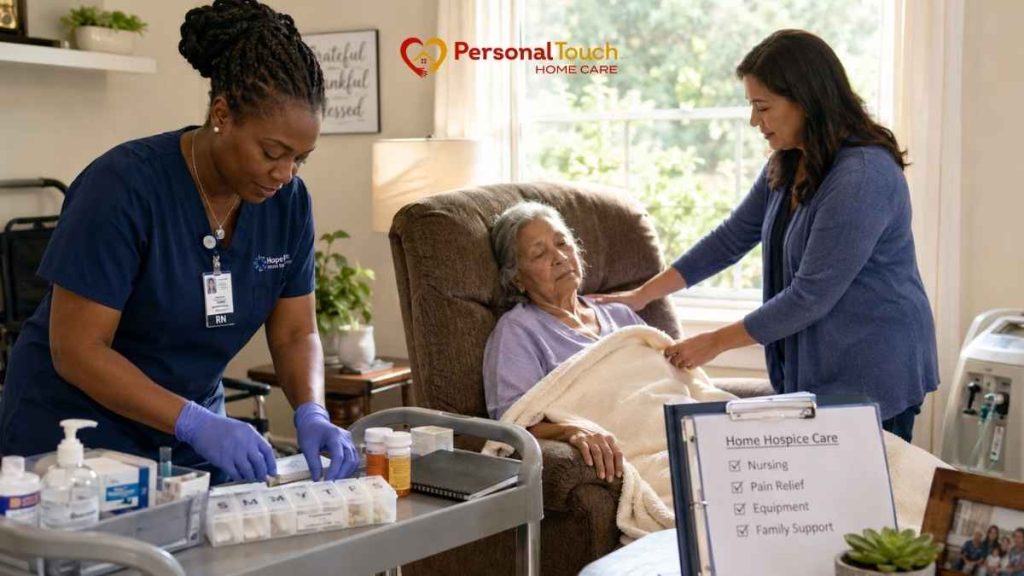
Home health aide services ease the strain when someone is weak or tired from repeated trips out of the house. This setting also makes conversations feel calmer and more personal.
At Personal-Touch Home Care, we provide hospice and palliative care services. However, the scope of service may differ by location.
Support may include:
- Skilled Nursing
- Pain Management
- Emotional Support
- Clerical Support

How Families Can Decide Which Conversation To Have First
A simple question can help: Is the main goal still treatment, or is comfort becoming the bigger need? That question helps start a better talk with the doctor and loved ones.
A few signs can also help families compare end-of-life care options in Greater Hampton Roads and decide which care conversation should happen next.
Helpful questions to ask:
- Is the main goal still treatment, or is comfort becoming the main goal?
- Is symptom relief getting harder at home?
- Has the doctor spoken clearly about the prognosis?
- Does the person want fewer hospital visits?
- Does the family need more help with daily care and decisions?
- Would a home-based care team make life easier right now?
These questions are a starting point for a direct talk with the care team about which setting and support will help most right now.
FAQs About Choosing Hospice And Palliative Care
Can someone stop hospice care and return to treatment?
Yes. Hospice care can be stopped at any time if a person decides to return to treatment or no longer wants hospice services. Medicare allows a person to revoke hospice and go back to standard Medicare coverage for their illness and related care.
Who may pay for palliative care?
Payment for palliative care can vary by service and insurance plan. Medicare, Medicaid, and private insurance may cover some parts of palliative care, such as doctor visits or home health services, but coverage is not always the same in every case.
What papers should families bring to a first visit?
Helpful papers include an advance directive, medical power of attorney, insurance cards, a medication list, and any do-not-resuscitate order. These help the care team understand a person’s wishes immediately.
Find The Right Care Sooner
Palliative care can support comfort, symptom relief, and family decision-making earlier in a serious illness. Hospice becomes the better fit when care shifts fully toward comfort near the end of life.
At Personal-Touch Home Care, we help families in Greater Hampton Roads understand hospice and palliative care options that may support a loved one at home. Our team can answer questions, explain available services, and help your family decide which care conversation to start.
Reach out to talk with us about hospice or palliative care availability in your area.